Vedic Remedies and the Power of Homams
"Poorva janma kritham papam vyadiroopena bhadhadhey"
According to the Shastras, sufferings are due to sins (papa) from past and present births. Veda mantras have the power to remove these sins. Therefore, we perform Veda Parihara to eliminate papa and find relief from suffering. Diseases like diabetes and high blood pressure, which modern medicine cannot completely cure, are often rooted in poorva janma papa.
Through poojas, homams, and parayanams, one can receive Devatha Anugraham (divine grace), which removes obstacles and brings success.
The Role of Devathas and Mantras
Rishis, through deep meditation (tapas), realized the Vedas in the form of Shabda Rasi (sound vibrations) and transmitted them through generations. Mantras represent the Devathas; each syllable signifies a part of the Devatha's form. Hence, in Vedic rituals, we include:
- Water (Kumbha) – Devatha presence
- Fire (Agni) – To offer food to Devathas
- Brahmin (Bhojanam) – The living embodiment of Vedic wisdom
Veda Pramāṇams (Proofs):
- "Agni Sarva devathaha" – All devathas are in fire
- "Apo vai Sarva Devathaha" – All devathas are in water
- "Brahmano vai Sarva Devathaha" – All devathas are in Brahmin
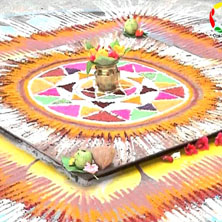
Kumbha Prathishtapanam
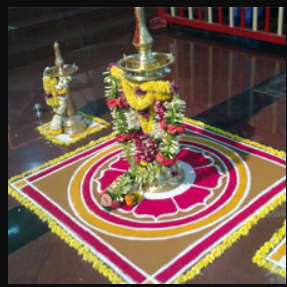
Devathas, being in energy form (chaithanyam), are invoked through the Kumbha Sthapanam ritual, which gives them a symbolic physical structure.
- Kumbha – Body
- Water – Blood
- Gold coin – Bones
- Leaves – Ligaments
- Thread – Nervous system
- Coconut – Head
- Coconut eye – Eye
- Shighai (tuft) – Hair tuft
When Brahmins chant Vedic mantras and accept dakshina (offerings), the sins of the yajamana are transferred and dissolved through the power of the mantras.
Agni Upasana and Homam
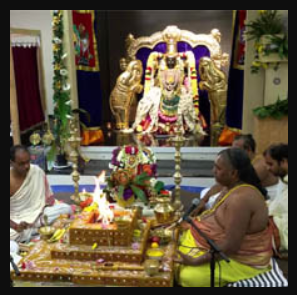
Bharatham is known for its tradition of Agni Upasana—from birth (Jatakarma) to death (Antyesti). Homam is the practice of offering Havis (like rice/ghee) into Agni, the divine mouth of the Devathas. This process ensures the fulfillment of karmic rituals.
Body, Devathas, and Homam Connection
Just like Jataragni (digestive fire) processes food in our stomach, Agni in Homam processes our offerings for Devathas. This strengthens Devatha Sannidhyam (presence) within us, promoting health, energy, and wish-fulfillment.
"Aham Vaiswanarobhoothwa Praninam Dehamasrayaha"
Bhagavad Gita
From Laghu Nyasa:
- May Agni nourish my speech
- May my speech link to the heart
- May my heart link to the eternal self
- May the eternal self link to the expanding consciousness
Types of Homams
- Samskara Homams: Performed during life rituals like Upanayanam, Vivaham
- Prayashchitta Homams: For sins of past and present births
- Kamya Homams: For fulfilling specific desires
Steps in Prayashchitta and Kamya Homams:
- Kruchracharanam – Self-purification
- Godanam – Cow donation (or monetary equivalent)
- Nandi Sradham – Ancestral worship
- Punyahavachanam – Material purification
- Vaishnava Sradham – Offering to Lord Vishnu
- Acharya & Rithwik Varanam – Assigning priests
- Kumbha Sthapanam, Japam, Homam
- Dakshina, Abhishekam, Utharangam (Final offerings)
All Kamya and Prayashchitta Homams are performed in Agnimukha, while most Samskara Homams are performed in Ajya Bhaga.